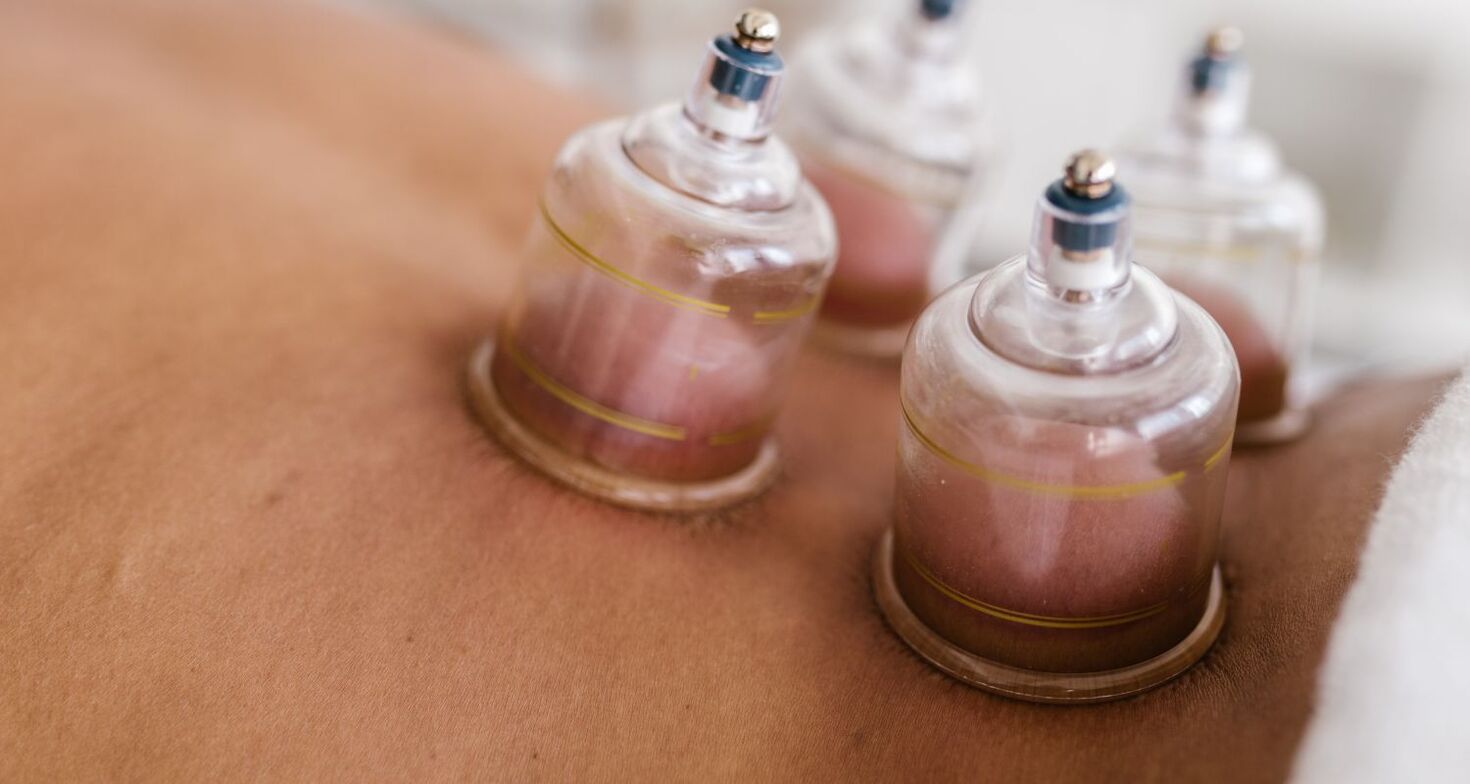
If you have ever spotted those distinctive circular marks on an athlete's back and wondered what caused them, you were looking at the visible signature of cupping therapy. Once a well-kept secret of traditional healers, cupping has found a mainstream audience among everyone from Olympic swimmers to office workers dealing with chronic tension. At One Wellness in Canmore, we offer cupping as part of a comprehensive approach to helping people move and feel better.
So what is cupping supposed to do, and is it right for you? This guide breaks it down.
The Basics: What Is Cupping Therapy?
Cupping therapy is a hands-on treatment rooted in Traditional Chinese Medicine that uses specially designed cups to create suction on the skin. That suction gently lifts the underlying tissue, drawing increased blood flow to the area and encouraging the release of tight fascia and muscle fibers.
There are several styles of cupping. Dry cupping uses a pump or heat to create a vacuum inside the cup. Wet cupping involves a small incision before applying the cup. Myofascial cupping massage combines suction with movement, gliding the cups across the skin to work through larger muscle groups. Fire cupping uses a brief flame to create the suction effect before the cup is placed, a classic technique with roots in many traditional healing cultures.
At One Wellness, cupping is integrated with acupuncture, massage therapy, and other complementary treatments to maximize your results.
What Cupping Therapy Can Help With
People come to cupping for a wide variety of reasons. Some are managing long-standing pain; others are athletes looking to speed up recovery between training sessions.
Muscle tightness and soreness are among the most common reasons people seek cupping therapy. The suction effect decompresses layers of tissue that compression-based massage simply cannot reach. This makes it particularly useful for deep, stubborn knots in areas like the upper back, glutes, and calves.
Cupping therapy side effects are mild and temporary. The marks left behind, which can range from light pink to a deep reddish-purple, are not bruises in the traditional sense. They reflect the degree of stagnation or tension in the tissue. Cupping therapy marks typically fade within three to seven days, and most people find the treatment itself to be more relaxing than painful.
Here is a look at what cupping is commonly used for:
- Chronic neck and back pain
- Tension headaches
- Restricted shoulder mobility
- IT band tightness and hip pain
- Respiratory congestion and asthma support
- Stress relief and nervous system regulation
How Cupping Supports Recovery
One of the reasons fire cupping benefits and other cupping styles have become popular in sports medicine settings is the effect on circulation. When blood flow is restricted in a muscle, waste products from exercise accumulate and recovery slows. The suction created during cupping dramatically increases local circulation, flushing those metabolic byproducts out and delivering fresh, oxygenated blood to the tissue.
Canmore is home to an active community of trail runners, cyclists, skiers, and climbers, and the recovery demands of mountain sports are real. Our team at One Wellness regularly works with athletes who use cupping as a key part of their maintenance routine, not just when they are injured, but proactively to keep tissue healthy and pliable.
This is also why cupping pairs so well with physiotherapy and exercise physiology. Releasing the fascial restrictions that cupping addresses allows the body to move more freely, which means the strength and mobility work you do in your sessions actually sticks.
What to Expect During a Treatment
If it is your first session, knowing what to expect goes a long way toward helping you relax and get the most from your treatment.
Your practitioner will assess your areas of concern and select an appropriate cupping technique. Cups are typically left in place for five to fifteen minutes, or moved across the skin in a gliding motion for myofascial cupping massage. You will feel a strong pulling or pressure sensation, which can be intense but should not feel sharp or burning.
After treatment, you may notice the circular marks and your skin may feel warm and slightly tender to the touch. Drinking plenty of water and avoiding vigorous exercise for the rest of the day helps your body process the treatment fully. Most people notice improved mobility and a reduction in tension within twenty-four hours, with benefits building across a series of sessions.
Is Cupping Right for You?
Cupping is safe and well-tolerated by most people. It is not recommended for those with certain skin conditions, bleeding disorders, or during pregnancy, so a brief intake conversation with your practitioner ensures the approach is appropriate for your situation.
If you have been living with persistent muscle tension, recovering from a sport-related injury, or simply want to experience what a full-spectrum wellness clinic can offer, cupping therapy is worth exploring. The team at One Wellness takes a collaborative approach, combining cupping with whatever other services best match your health goals.
Ready to Try Cupping in Canmore?
Whether you are a competitive athlete, a weekend adventurer, or someone dealing with everyday aches, cupping therapy offers a time-tested, natural path to feeling better in your body. One Wellness is located in Canmore at 177 Kananaskis Way, and our team is ready to help you find the right treatment approach for your needs.
Book your appointment online today and discover what cupping can do for you.
%20(1400%20x%20750%20px)%20(54).jpg)
.jpg)